
Hospitalist and Acute Care Medicine Mastery:
Confidence for your First Shift
Guaranteed Pass for your Boards
AND SECURE YOUR PASS TODAY
🩺 Clinical Readiness
🏅 Certification Guaranteed
📖 Lifetime Learning
Hospitalist and Acute Care Medicine Mastery:
Confidence for your First Shift
Guaranteed Pass for your Boards
AND SECURE YOUR PASS TODAY
🩺 Clinical Readiness
🏅 Certification Guaranteed
📖 Lifetime Learning
LIMITED TIME OFFER: SECURE THE TOTAL PACKAGE AND MAXIMIZE YOUR VALUE!
BEST VALUE
Package Components
The Core Review
NOW!
The Total Package
NOW!
*If you don’t pass, we’ll refund your exam fees!
LIMITED TIME OFFER: SECURE THE TOTAL PACKAGE AND MAXIMIZE YOUR VALUE!
NOW!
*If you don’t pass, we’ll refund your exam fees!
Deep Dive: Inside your Online Curiculum

Core Module
The CORE
Question Bank
The QBank
Flash Cards
Flash Cards
Stimulus Images
Stimulus Images
BONUS MODULE: Acute Inpatient Guide!
Included with The TOTAL PACKAGE
Over 350 inpatient clinical topics | Clearly organized explanations including definitions, pathophysiology, history and physical findings, workup, and evidence-based reference with links to articles | A MUST HAVE for inpatient medicine | Included FREE as part of the Complete Package | $245 value

Trusted by Hundreds of Providers Across the U.S.
All of our programs award CME for Nurse Practitioners and Physician Associates. Emergency Medicine Procedure Hours and Pharmacology Hours are included.
The Total Package also includes all pharmacology hours necessary for nurse practitioner certification renewal.
🗣️ “This bundle is the real deal. I bought it thinking I’d just use it for a quick knowledge check, but it’s become my daily resource. The QBank is huge and the practice questions are spot on. But honestly, the Inpatient Guide is the MVP—it’s like having a clinically relevant cheat sheet for 900+ topics, right on my phone. Plus, the price for everything you get (videos, thousands of questions, flashcards, a clinical toolkit, and a full year of access) is a steal. Stop searching for individual CME courses and just get this. You won’t regret it.” Family Practice — A. Rodriguez, APRN

🗣️ “Seriously, if you’re an Acute Care NP, grab this package. Trying to find good CE that actually covers hospital stuff and gets you those pesky Pharmacology hours is always a headache, but this bundle checked all the boxes (92 CE hours!). The Core Module videos were super clear and covered the acute care topics I see every day. Plus, the Stimulus Review section was awesome for testing my knowledge on X-rays and EKGs—it felt like a fun quiz instead of boring studying. Definitely worth the investment; it made my certification renewal so much easier.” Acute Care Medicine — S. Patel, DNP, ACNP-BC
🗣️ “As a PA preparing for the Hospitalist Medicine CAQ, this bundle was an absolute game-changer. The QBank with over 950 questions was robust and perfectly aligned with the NCCPA blueprint, and the detailed explanations (including audio!) were invaluable for understanding why an answer was correct. The Core Module videos efficiently covered high-yield topics, and the inclusion of the Inpatient Guide meant I had a critical bedside reference long after I finished studying. This isn’t just a review course; it’s an integrated resource that boosted my confidence for the exam and immediately improved my clinical decision-making.” Hospital Medicine — J. Chen, PA-C, CAQ HM
Ready to STOP DOUBTING and START MASTERING?
The Total Professional Package provides you with the knowledge to pass your exam and the confidence to walk into any shift prepared.
Provider Practice Essentials Pass Guarantee (Exclusive to the Total Professional Development Package)
We are so confident in our comprehensive approach that we offer an unmatched Pass Guarantee. If you purchase and complete the Total Professional Development Package and do not pass your board examination, we will cover your exam re-take fee.
Online Emergency Medicine and Urgent Care For Nurse Practitioners
CORE MODULE

40 hours Continuing Education and 18 Pharmacology Hours
If you practice Acute Care and/or Geriatric Nursing, you need this package! Includes video reference/review topics, practice exam questions, a clinical practice guide, Geriatric Medicine modules, all current screening guidelines, professionalism, legal, and many other topics!
- When combined as a package, this also includes the Inpatient guide for quick inpatient management reference, and a dedicated Risk Management module.
- Current topics match the Acute Care and Geriatric Certification Examination
- Designed to exceed the ANCC Blueprint for testing content
- Includes pharmacology hours
- Perfect for graduating nurse practitioners, those who are recertifying, and anyone looking for a great practice development resource.
*To register for a live course and discounted review series, sign up for the live program of your choice and add on the board review series at checkout. Discount is included in final purchase price. Board review program can be added to any purchase in the cart.
THE QBANK
30 hours Continuing Education and 7 Pharmacology Hours
- Current topics match the exam style and layout of the Adult/Gerontology/Acute Care certification examination
- Designed to exceed the ANCC BLUEPRINT for testing content
- Questions in identical format to actual exam
- Includes pharmacology credits
- Perfect for graduating nurse practitioners, those recertifying, and those who want a great practice development resource
- 1 year of access
COMBINE ONLINE PROGRAMS TO EARN MORE HOURS
70 hours Continuing Education and 25 Pharmacology Hours
When you sign up for the Total Package you can combine BOTH the CORE MODULE AND THE QBANK. This package also includes the Online Flash Cards, Stimulus Review and Inpatient Guide for FREE.
Combine Your Development Series with a live workshop and SAVE!
113 hours Continuing Education and 28 Pharmacology Hours

By combining our Total Package and signing up for our LIVE Clinical Skills and Procedure Workshop, you can SAVE BIG AND EARN ALL OF THE HOURS NEEDED TO SIT FOR YOUR EXAM!
Simply register for the Live Workshop and ADD ON the Total Package when you get to the CART PAGE!
When you combine our live and online programs you will save even more!
Online Emergency Medicine and Urgent Care For Physician Assistants
THE CORE MODULE
40 hours Category I AAPA CME
This is a comprehensive tool for the rest of your career! Whether you are studying for the CAQ certification, or simply looking for a great reference for your professional development, this program has it all!
- Includes video reference/review topics, practice exam questions, a clinical practice guide, Geriatric Medicine modules, all current screening guidelines, professionalism, legal, and many other topics!
- Also includes the Inpatient Guide, which is critical for day to day reference of your patient care, updated with current references and calculators.
- Audio, video, text, practice questions, pictures
- Designed to exceed all requirements of the NCCPA Exam blueprint
- Our unique blend of all media types helps to solidify your knowledge base and ensure short and long-term recall
- Whether you choose a package or a single module, we ensure you will CRUSH your Hospitalist CAQ Exam
THE QBANK
30 hours Category I AAPA CME
If you are studying for an exam, want to solidify your knowledge base, or simply like taking regular practice questions to improve your skill, our custom question bank is made for you.
- Designed to meet all requirements of the NCCPA Exam blueprint
- Perfect for initial examination or recertification
- A must-have practice development resource for Physician Assistants practicing in Adult, Hospital-Based, and Acute Care Medicine
COMBINE ONLINE PROGRAMS TO EARN MORE CME
90 hours Category I AAPA CME
When you sign up for the Total Package you can combine BOTH the CORE MODULE AND THE QBANK. This package also includes the Online Flash Cards, Stimulus Review, and Inpatient Guide FOR FREE. It also includes the Audio Review – A collection of short answer explanations you can listen to anywhere.
MEET ALL CAQ ELIGIBILITY REQUIREMENTS AND GET LIVE HANDS-ON LECTURES AND TRAINING
113 hours Category I AAPA CME
By combining our Total Package and signing up for our LIVE Clinical Skills and Procedure Workshop, you can SAVE BIG, HAVE FUN, AND EARN ALL OF THE HOURS NEEDED TO SIT FOR YOUR EXAM!
Simply register for the Live Workshop and ADD ON the Total Package when you get to the CART PAGE!
When you combine our live and online programs you will save even more!
All of our programs award CME for Nurse Practitioners and Physician Associates. Pharmacology Hours are included. Online program sales are final and non-refundable.
Our Programs Fill FAST! Keep up with PPE!
Online Flash Cards
Quick resource. Quick Review. High Yield. Click to enlarge each flash card.


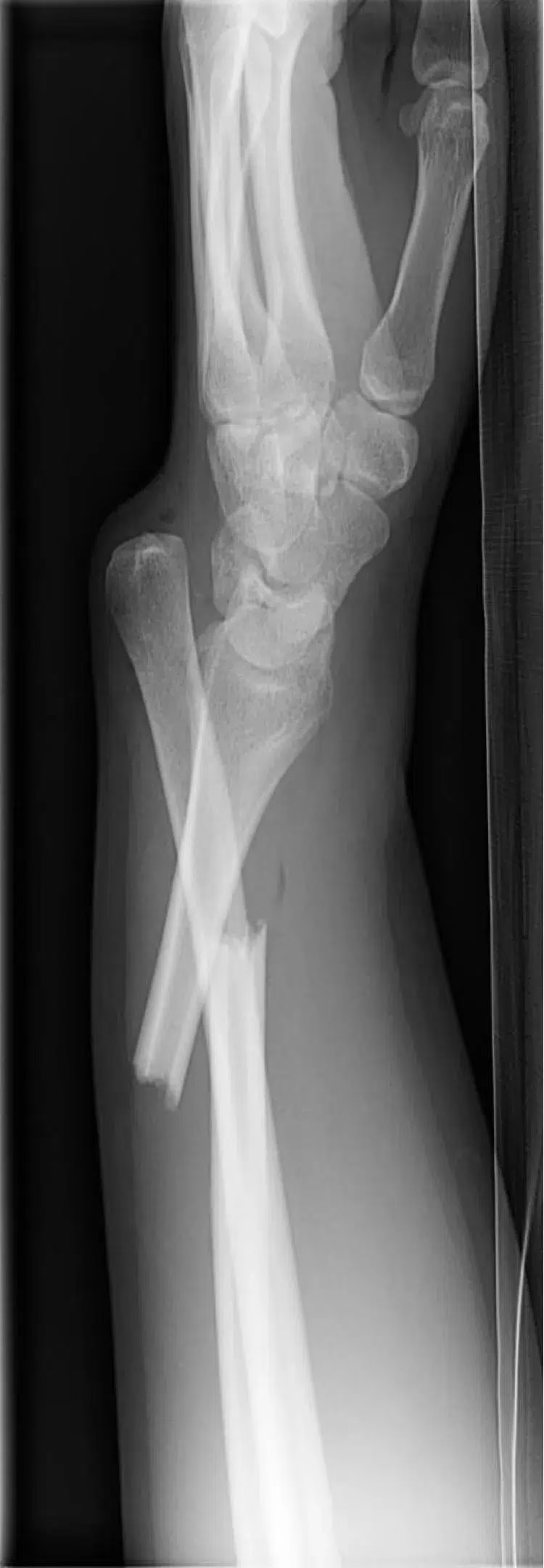
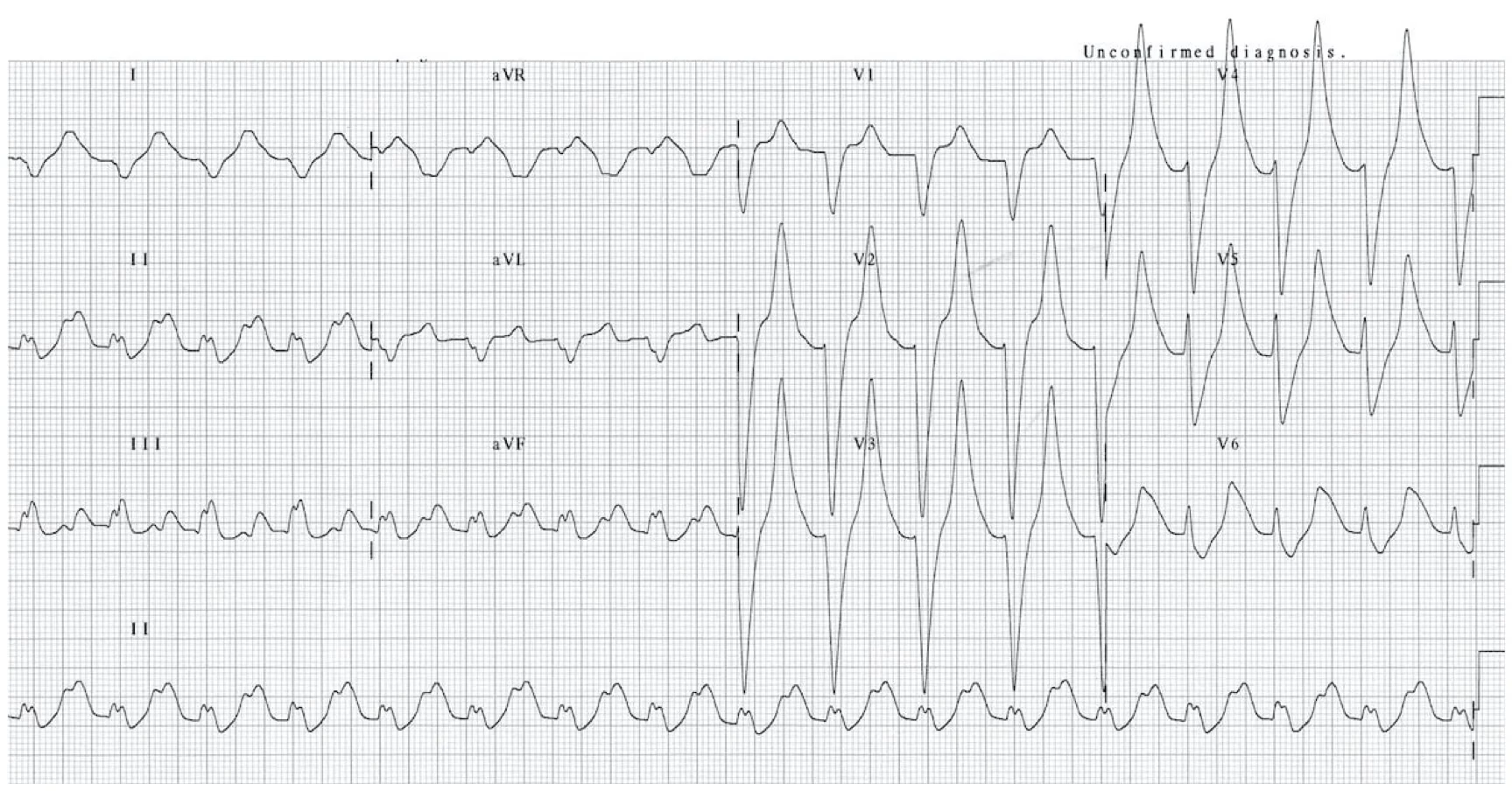
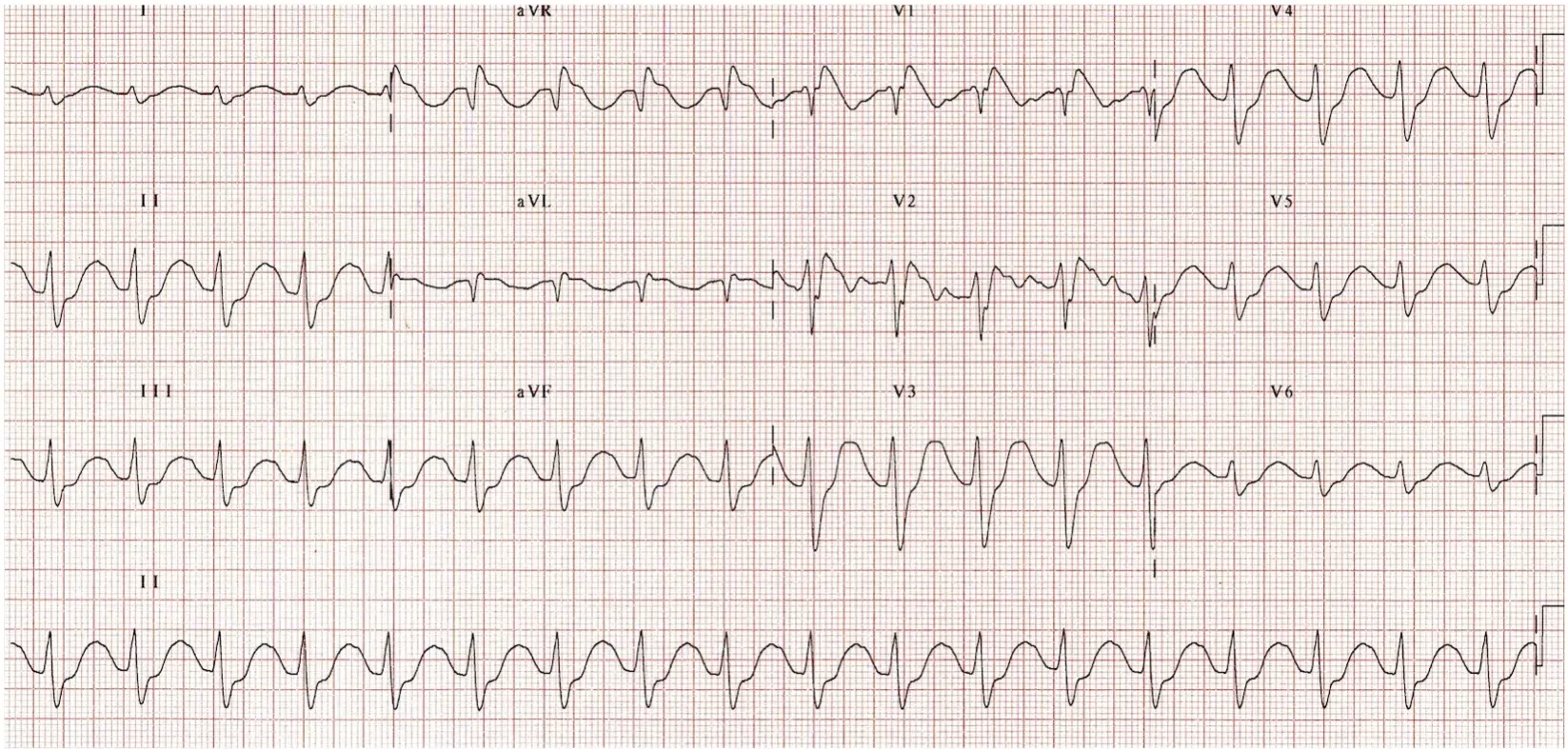
Exam Stimulus Images
Hover over the image to quickly test your recall. Click on the image to learn more about the condition. Over 600 images, categories include Dermatology and Soft Tissue, ENT, Clinical Signs, Radiology, and EKGs







Heart Failure

Inpatient Management Guide
Definition
Syndrome characterized by impaired myocardial performance and progressive maladaptive neurohormonal activation of the cardiovascular system leading to circulatory insufficiency to meet the body’s demands.
Systolic heart failure or heart failure with reduced ejection fraction (HFrEF): Clinical diagnosis of heart failure and an EF of less than 50%.
Diastolic heart failure or heart failure with preserved ejection fraction (HFpEF): Clinical signs and symptoms of heart failure with evidence of normal or preserved EF and evidence of abnormal LV diastolic function by Doppler echocardiography or cardiac catheterization
Right heart failure: Majority of cases are a result of left heart failure, although isolated pulmonary diseases can also cause this syndrome.
Etiology
- Non-ischemic dilated cardiomyopathy (familial or idiopathic)
- Hypertrophic cardiomyopathy
- Restrictive cardiomyopathy
- Cardiomyopathy as a result of fibroelastosis
- Mitochondrial disease
- Left ventricular non-compaction
- Ischemic cardiomyopathy
- Stress induced cardiomyopathy
- Valvular obstruction or insufficiency
- Hypertensive cardiomyopathy
- Inflammatory (lymphocytic, eosinophilic, giant cell myocarditis)
- Infectious (Chagas, Lyme disease, HIV, viral, bacterial, or fungal infections)
- Endocrine disorders (thyroid disease, adrenal insufficiency, pheochromocytoma, acromegaly)
- Familial storage disease (hemochromatosis, glycogen storage disease, Hurler syndrome, Anderson-Fabry disease)
- Amyloidosis
- Connective tissue disease (SLE, polyarteritis nodosa, scleroderma, myositis, sarcoidosis)
- Muscular dystrophies
- Neuromuscular disease (Friedreich ataxia, Noonan disease)
- Toxins (alcohol, anthracyclines, radiation)
- Tachyarrhythmia
Pathophysiology
Progressive disorder initiated by a form of myocardial injury either sudden (MI or myocarditis) or chronic insults (familial, metabolic, HTN, valve disease, shunting) that result in maladaptive compensatory mechanisms.
These mechanisms include activation of the sympathetic nervous system and activation of the RAS system which overtime lead to pump dysfunction and circulatory collapse.
Differential Diagnosis
Other entities that may look like acute decompensated heart failure:
- Acute coronary syndrome
- Interstitial lung disease
- Pneumonia
- ARDS
- Other sources of volume overload such as CKD/ESRD vs cirrhosis, pulmonary hypertension, PE, cardiac tamponade, constrictive or restrictive pericarditis
Patient History
Ask about the signs and symptoms:
- Worsening dyspnea at rest or exertion?
- Fatigue?
- Orthopnea?
- PND?
- Weight gain?
- Increased edema?
- Lightheadedness?
- indigestion?
- Chest heaviness?
- Fever?
- Chest pain?
- Timing of symptom onset?
Ask about triggers of acute decompensation:
- dietary indiscretion? foods high in Na like lunch meats, chips, canned foods, fast foods?
- missed medication doses (diuretic)?
- are they weighing themself daily? adjusting diuretics?
- any signs or symptoms that an ischemic event has occurred?
- do they consume alcohol excessively?
Physical Exam
- Weight gain (if possible look at previous discharge weights)
- Elevated jugular venous pulsations (Key!), hepatojugular reflux
- Orthopnea
- Pulmonary rales
- Third and/or fourth heart sound
- Pedal edema
- Sacral edema in patients who are mostly in bed
Work Up
Laboratory
- Renal function panel, liver function panel (CMP): Patients who are volume overloaded due to acute decompensated heart failure often have an acute kidney injury and hepatic congestion.
- Potassium, calcium (CMP), magnesium. May need to check more frequently (e.g. bid) especially if pt will be diuresed.
- CBC: Anemia is present in up to 40% of patient with heart failure.
- Consider pro-BNP if volume exam not helpful; compare to prior.
- If patient is presenting newly with HF and/or etiology is unclear:
- troponin and lipid profile, especially if HFrEF the pt may need further work up for ischemic disease
- TSH
- in the right patient, consider iron studies (hemochromatosis), serum ceruloplasmin (Wilson’s), trypanosoma cruzi IgG (chagas), blood alcohol level or CDT etc.
Imaging
- ECG, chest x-ray, echocardiography
Other imaging and diagnostic modalities that can be considered based on the patient’s history:
- Cardiac MR
- Nuclear imaging
- Right heart catheterization
- Left heart catheterization
- CT angiogram.
- Endomyocardial biopsy
Triage
Strongly consider step-down or ICU if evidence of decompensation with hypoperfusion (cold and wet):
Altered mental status, Cold extremities, evidence of organ hypoperfusion: increasing lactate or rising creatine, narrow pulse pressures
Risk Stratification
The American College of Cardiology/American Heart Association (ACC/AHA) Heart Failure Classification is a system used to classify heart failure into four stages based on the severity of symptoms and degree of functional impairment.
The four stages of heart failure in the ACC/AHA classification are:
- Stage A: At high risk of developing heart failure due to underlying conditions or risk factors such as hypertension, diabetes, or coronary artery disease.
- Stage B: Structural heart disease is present, but there are no symptoms of heart failure. This stage includes patients with a history of myocardial infarction (heart attack) or left ventricular remodeling after a cardiac injury.
- Stage C: Structural heart disease is present, and there are symptoms of heart failure such as fatigue, shortness of breath, and decreased exercise tolerance. This stage includes patients with past or current symptoms of heart failure who are responding to treatment.
- Stage D: Advanced heart failure that is refractory to standard treatments. This stage includes patients with severe symptoms of heart failure at rest, despite maximal medical therapy. Patients in this stage may require advanced interventions such as heart transplant or mechanical circulatory support.
The ACC/AHA Heart Failure Classification is based on a combination of factors, including clinical symptoms, physical examination findings, imaging studies, and laboratory tests. This classification system is useful for guiding treatment decisions and predicting outcomes in patients with heart failure. It can also help clinicians identify patients at high risk for developing heart failure and initiate preventive interventions to improve outcomes.
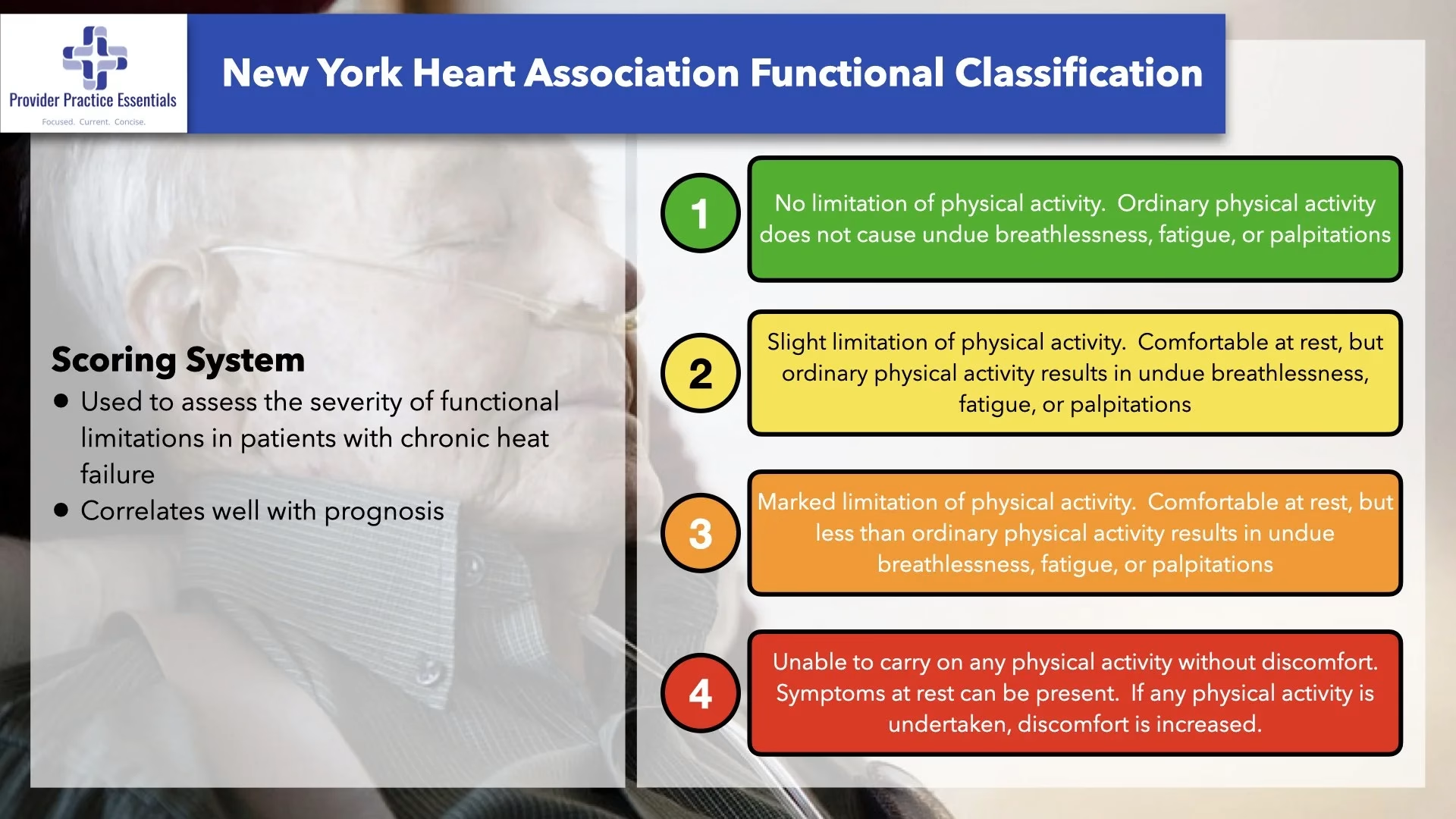
The New York Heart Association (NYHA) Functional Classification is a system used to classify heart failure into four stages based on the severity of symptoms and degree of functional impairment. The classification system was developed in 1928 and is still widely used today.
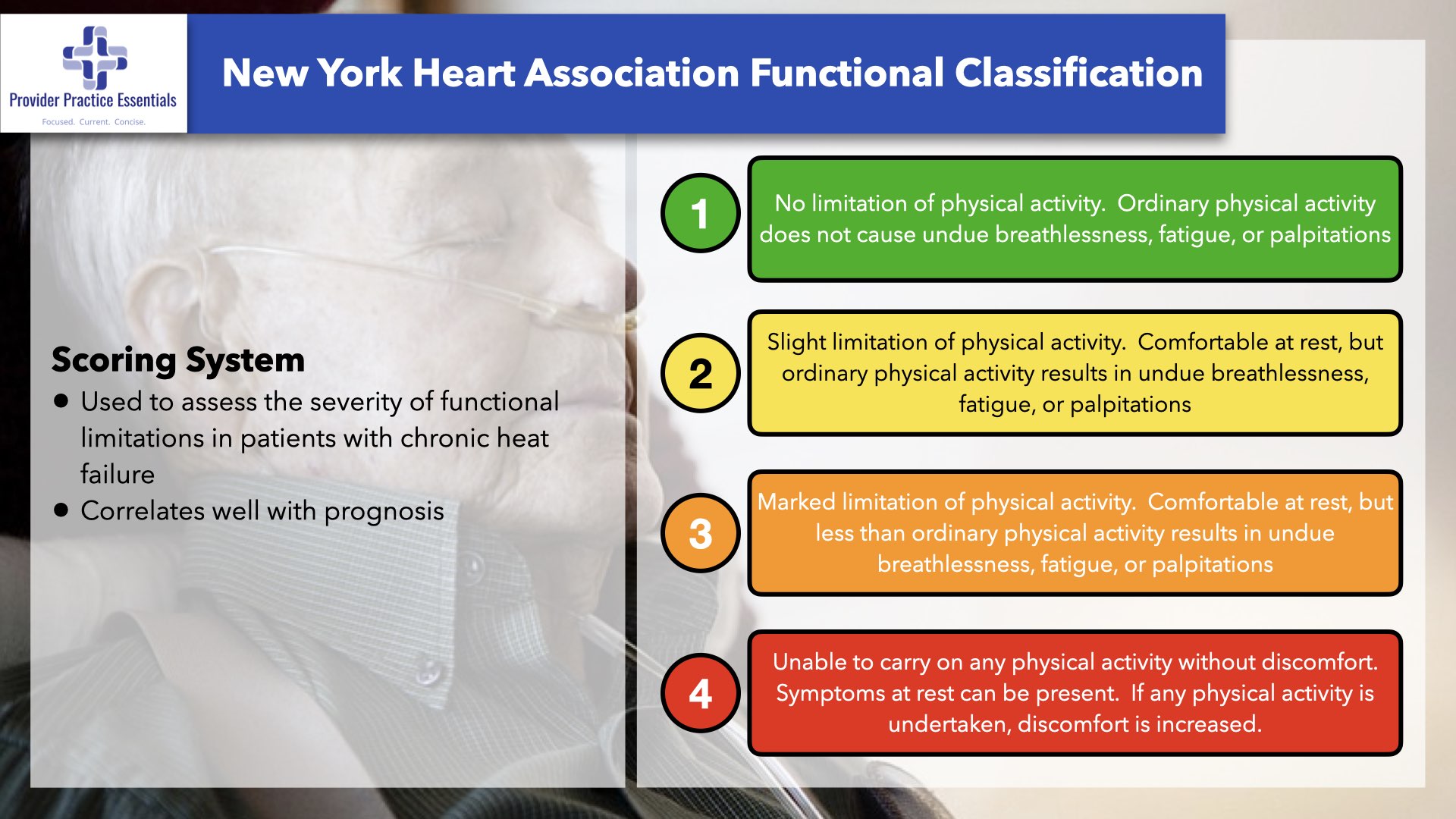
The NYHA Functional Classification is based on the patient’s subjective symptoms and limitations related to physical activity. It is often used in clinical practice to assess the severity of heart failure, guide treatment decisions, and predict outcomes. Patients with more severe symptoms are more likely to have poorer outcomes, and may require more aggressive treatment or consideration of advanced interventions, such as heart transplantation or mechanical circulatory support.
It’s important to note that the NYHA Functional Classification is just one aspect of the overall assessment of heart failure and should be used in conjunction with other clinical and diagnostic findings.
The Seattle Heart Failure Model (SHFM) is a clinical prediction model that provides an estimate of the probability of death and other adverse outcomes in patients with heart failure. It was developed to help clinicians make more informed decisions about treatment and to assist in risk stratification of patients with heart failure.
The SHFM incorporates a wide range of patient characteristics, including demographics, clinical symptoms, laboratory values, and medication use, to predict the likelihood of various outcomes, such as mortality, hospitalization, and quality of life. The model is based on data from over 11,000 patients with heart failure and has been validated in several independent cohorts.
To use the SHFM, a clinician inputs data on the patient’s age, sex, symptoms, medical history, laboratory values, and medication use into a web-based calculator. The model then generates a personalized estimate of the patient’s probability of death and other outcomes at 1 year and 5 years. The SHFM also provides a range of other information, such as the estimated survival time, probability of hospitalization, and predicted quality of life.
The SHFM has been shown to have good accuracy in predicting outcomes in patients with heart failure, and it can be useful in guiding treatment decisions and in risk stratification of patients. However, it is important to note that the SHFM is just one tool among many that can be used in the management of heart failure, and it should be used in conjunction with clinical judgment and other diagnostic and prognostic tools.
The MAGGIC (Meta-Analysis Global Group in Chronic Heart Failure) risk score is a prognostic model that is used to predict mortality in patients with chronic heart failure. It was developed using a large international database of over 39,000 patients with heart failure from 30 different studies.
The MAGGIC risk score takes into account a range of patient characteristics and clinical features that have been shown to be predictive of mortality in heart failure, including age, sex, systolic blood pressure, NYHA functional class, heart rate, serum sodium, serum creatinine, ejection fraction, etiology of heart failure, and use of certain medications such as ACE inhibitors, beta blockers, and diuretics.
The MAGGIC risk score assigns points to each of these variables based on their estimated contribution to mortality risk. The total number of points is then used to estimate the patient’s probability of mortality at 1 year and up to 5 years. The MAGGIC risk score has been shown to have good discrimination and calibration in predicting mortality in patients with heart failure.
The MAGGIC risk score is useful for identifying high-risk patients who may benefit from closer monitoring and more aggressive treatment, as well as for guiding clinical decision-making and communication with patients and families about prognosis. However, it is important to note that the MAGGIC risk score is just one tool among many that can be used in the management of heart failure, and it should be used in conjunction with clinical judgment and other diagnostic and prognostic tools.
CHA2DS2-VASc score: The CHA2DS2-VASc score is a tool used to estimate the risk of stroke in patients with atrial fibrillation. Since atrial fibrillation is a common comorbidity in heart failure, this score can be useful in managing heart failure patients with concurrent atrial fibrillation.
The CHA2DS2-VASc score is a clinical prediction rule that is primarily used to estimate the risk of stroke in patients with non-valvular atrial fibrillation. It is not specifically used in the management of heart failure, but rather in the management of comorbidities that may be present in patients with heart failure.
Patients with heart failure are at an increased risk of developing atrial fibrillation and other cardiovascular diseases, such as stroke, myocardial infarction, and peripheral vascular disease. As such, the CHA2DS2-VASc score can be used in the management of heart failure as a tool to identify patients who are at an increased risk of developing these conditions, and to guide clinical decision-making regarding the use of prophylactic therapies such as anticoagulation.
The CHA2DS2-VASc score takes into account a range of patient characteristics and clinical features that have been shown to be predictive of stroke and other cardiovascular events, including age, sex, history of stroke or transient ischemic attack, hypertension, diabetes, heart failure, and vascular disease. The score assigns points to each variable based on its estimated contribution to the risk of stroke or other cardiovascular events.
While the CHA2DS2-VASc score is not specifically designed for use in heart failure, it is an important tool that can be used to guide clinical decision-making in the management of patients with heart failure and comorbidities. It can help identify patients who may benefit from prophylactic therapies and other interventions aimed at reducing the risk of stroke and other cardiovascular events.
Heart failure with reduced ejection fraction (HFrEF) is a condition where the heart muscle weakens and can’t pump blood effectively. Treatment for HFrEF usually involves a combination of lifestyle changes, medication, and other interventions.
The HFrEF therapy calculator is a tool that can help healthcare professionals determine the most appropriate treatment plan for patients with HFrEF. The calculator takes into account the patient’s age, sex, blood pressure, kidney function, and other factors, and recommends medications and doses that have been shown to be effective in treating HFrEF.
The calculator is based on guidelines developed by the American College of Cardiology, American Heart Association, and Heart Failure Society of America. These guidelines recommend a combination of medications that target different aspects of heart failure, including angiotensin-converting enzyme (ACE) inhibitors, angiotensin receptor blockers (ARBs), beta blockers, and aldosterone antagonists.
The HFrEF therapy calculator takes into account the patient’s current medications and adjusts the recommendations accordingly. It also provides guidance on when to start or stop certain medications, and how to titrate the doses to achieve the maximum benefit while minimizing side effects.
The Renal Risk Score is a tool that helps predict the risk of developing acute kidney injury in patients with heart failure who are undergoing intravenous diuretic therapy.
The renal risk score is a tool that is primarily used to estimate a patient’s risk of developing acute kidney injury (AKI) after undergoing cardiac surgery. However, the risk of AKI is also a concern in patients with heart failure, particularly those who are hospitalized or receiving treatment with certain medications.
In patients with heart failure, the risk of AKI is often related to factors such as low cardiac output, fluid overload, and the use of medications that can affect kidney function. Some of these medications include diuretics, angiotensin-converting enzyme inhibitors (ACE inhibitors), angiotensin receptor blockers (ARBs), and nonsteroidal anti-inflammatory drugs (NSAIDs).
Several studies have looked at the use of the renal risk score in patients with heart failure. One study, published in the journal Circulation Heart Failure in 2014, found that the renal risk score was able to predict the risk of AKI in patients hospitalized with heart failure. The study also found that patients with higher renal risk scores were more likely to require dialysis or have a longer hospital stay.
Another study, published in the Journal of Cardiac Failure in 2018, evaluated the use of the renal risk score in patients with heart failure who were receiving treatment with sacubitril/valsartan, a medication used to treat heart failure with reduced ejection fraction. The study found that the renal risk score was able to predict the risk of AKI in these patients and could be used to guide dosing of the medication to minimize the risk of kidney injury.
Overall, while the renal risk score was developed for use in patients undergoing cardiac surgery, it may also be a useful tool for predicting the risk of AKI in patients with heart failure. By identifying patients at higher risk of AKI, healthcare providers can take steps to minimize the risk of kidney injury and improve outcomes for these patients.
Treatment
Acute Decompensated Heart Failure
IV diuresis:
Determine home regimen and try to give an increased dose. Patients with anasarca DO NOT ABSORB ORAL MEDS. Remember patients who are naïve to diuretics may not require high doses for good urine output. As a rule of thumb, the furosemide dose can be initially calculated at 40 (mg) X serum creatinine. Titration will be performed according to initial response. Common diuretics include furosemide, torsemide, metolazone, and Chlorothiazide. For ESRD patients who no longer make urine, volume removal will be via ultrafiltration and may need to be done more aggressively as tolerated by BP. Be sure to check electrolytes twice a day and aggressively supplement (keep K around 4 and magnesium around 2.4. Check daily weights (standing if possible) and monitor Ins and Outs.
Afterload reduction in systolic heart failure:
If no kidney injury is detected you can consider an ACE-Inhibitor, otherwise hydralazine with/or without nitrates. In more severe cases, one may consider sodium nitroprusside
Inotropy: Usually in severe cases or if effective diuresis is not achieved despite other efforts.
Dobutamine or milrinone
Remember to hold beta blockers in acute decompensated heart failure
Chronic Heart Failure Therapies
Mortality reducing agents:
- ACE inhibitors/ARBs
- start in all pt’s with current or prior sx’s of HFrEF unless contraindicated; try ACEi first and then try ARB if not tolerated
- caution in pts with ↓SBP, renal insufficiency, or ↑serum potassium (>5.0 mEq/L). Angioedema occurs in < 1% of pts with ACE inhibitors.
- ANRIs (angiotensin receptor–neprilysin inhibitor: valsartan/sacubitril)
- start in pt’s with NYHA class II-III HFrEF who tolerate an ACE inhibitor or ARB, replacement by an ARNI is recommended to further reduce morbidity and mortality. Harmful if started concomitantly with ACEi/ARB – wait 36 hrs after stopping ACEi/ARB to inititate
- Beta blockers (metoprolol succinate, bisoprolol, and carvedilol)
- start in all pt’s with current or prior sx’s of HFrEF unless contraindicated
- ISDN + Hydralazine
- clear benifit in African American pt’s with NYHA class III-IV HFrEF
- likely beneficial for all pt’s with HFrEF, though utility somewhat limited by TID dosing
- Aldosterone receptor blockers (eplerenone, spironolactone)
- recommended in patients with NYHA class II–IV HF and who have LVEF of 35% or less
HF Hospitalization Reducing Agents
- Digoxin
- Ivabradine (inhibits the If current in the SA node, ↓HR)
- can use in NYHA class II-III stable chronic HFrEF (LVEF ≤35%) who tolerate maximum BB in NSR with HR of 70 bpm or more at rest[2]
Advanced Therapies
- Left ventricular assist device (right heart must be able to tolerate this)
- Heart transplantation
References
- Khot UN, Jia G, Moliterno DJ, et al. Prognostic importance of physical examination for heart failure in non-ST-elevation acute coronary syndromes: the enduring value of Killip classification. JAMA. 2003;290(16):2174-81. [PMID:14570953]
- Yancy CW, et al: 2016 ACC/AHA/HFSA Focused Update on NewPharmacological Therapy for Heart Failure: An Update of the 2013 ACCF/AHA Guideline for theManagement of Heart Failure, Journal of the American College of Cardiology (2016), doi: 10.1016/j.jacc.2016.05.011.
- Griffin BP, Callahan TD, Menon V, et al. Manual of Cardiovascular Medicine. Lippincott Williams & Wilkins. 2013 4th edition; Heart Failure and Transplant 125-159
- Yancy CW, Jessup M, Bozkurt B, et al. 2013 ACCF/AHA guideline for the management of heart failure: a report of the American College of Cardiology Foundation/American Heart Association Task Force on Practice Guidelines. J Am Coll Cardiol. 2013;62(16):e147-239. [PMID:23747642]
Resources