by PPE Medical
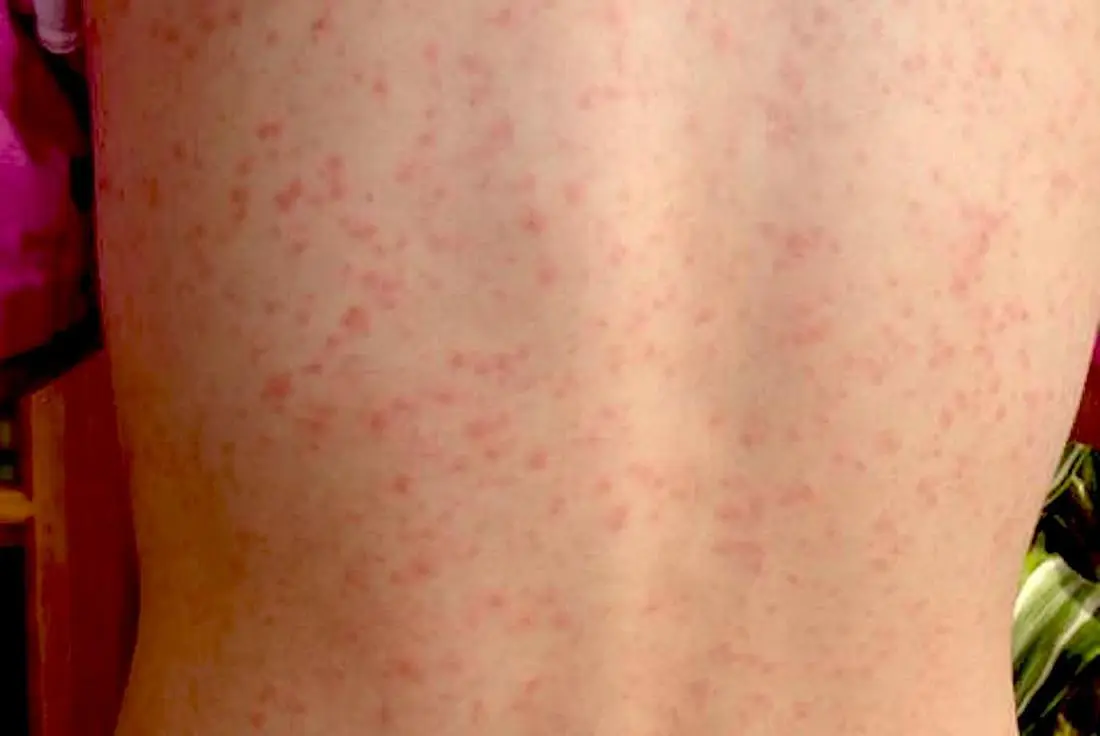
Rashes are a very common pediatric finding. This table summarizes the usual appearance, progression, and treatment of common rashes.
Want to Strengthen Your Dermatology Assessment Skills?
Recognizing pediatric rashes requires an understanding of their appearance, progression, associated symptoms, and appropriate treatment. Build on your clinical knowledge with PPE Medical’s Dermatology Essentials, featuring focused learning on common and serious skin conditions, rash identification, clinical assessment, and treatment approaches.
Explore Dermatology Essentials| DISEASE | SEASON | PROGRESSION | MORPHOLOGY | DISTRIBUTION | ASSOCIATED FINDINGS | TREATMENT |
|---|---|---|---|---|---|---|
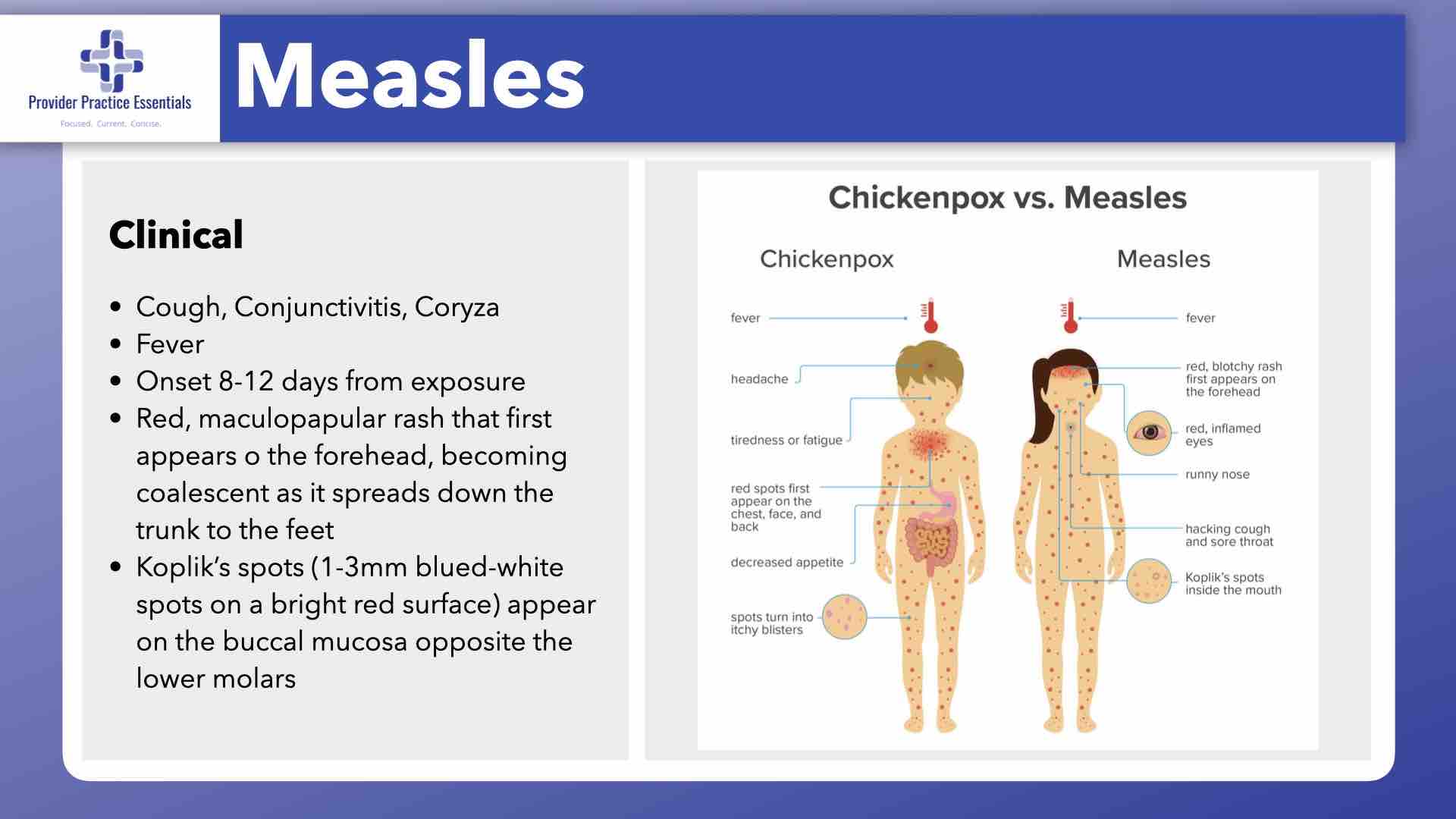
Measles/Rubeolaparamyxovirus
|
Winter to Spring |
Incubation: 1-2 weeks Communicability: Rash appears 3 days after symptoms |
Erythematous, confluent, maculopapular
|
Begins at the hairline and spreads inferiorly |
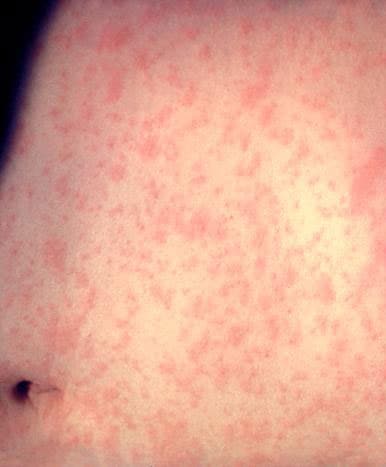
Koplik Spots
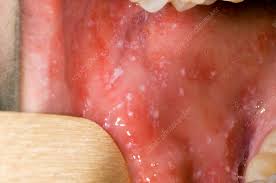
High Fever Cough, Coryza, and Conjunctivitis Forchheimer spots
|
-Infected: Supportive care -Unimmunized contacts: Measles vaccine within 72 hours of exposure or IgG within 6 days of exposure -Prevention: MMR vaccine |
Scarlet FeverStreptococcus pyrogenes
|
Fall to Spring |
Incubation: 2-4 days Hypersensitivity reaction to Group A hemolytic Strep |
Generalized erythema with a sandpaper texture
|
Begins on the face and upper part of the trunk and spreads inferiorly |
-Pastia lines
|
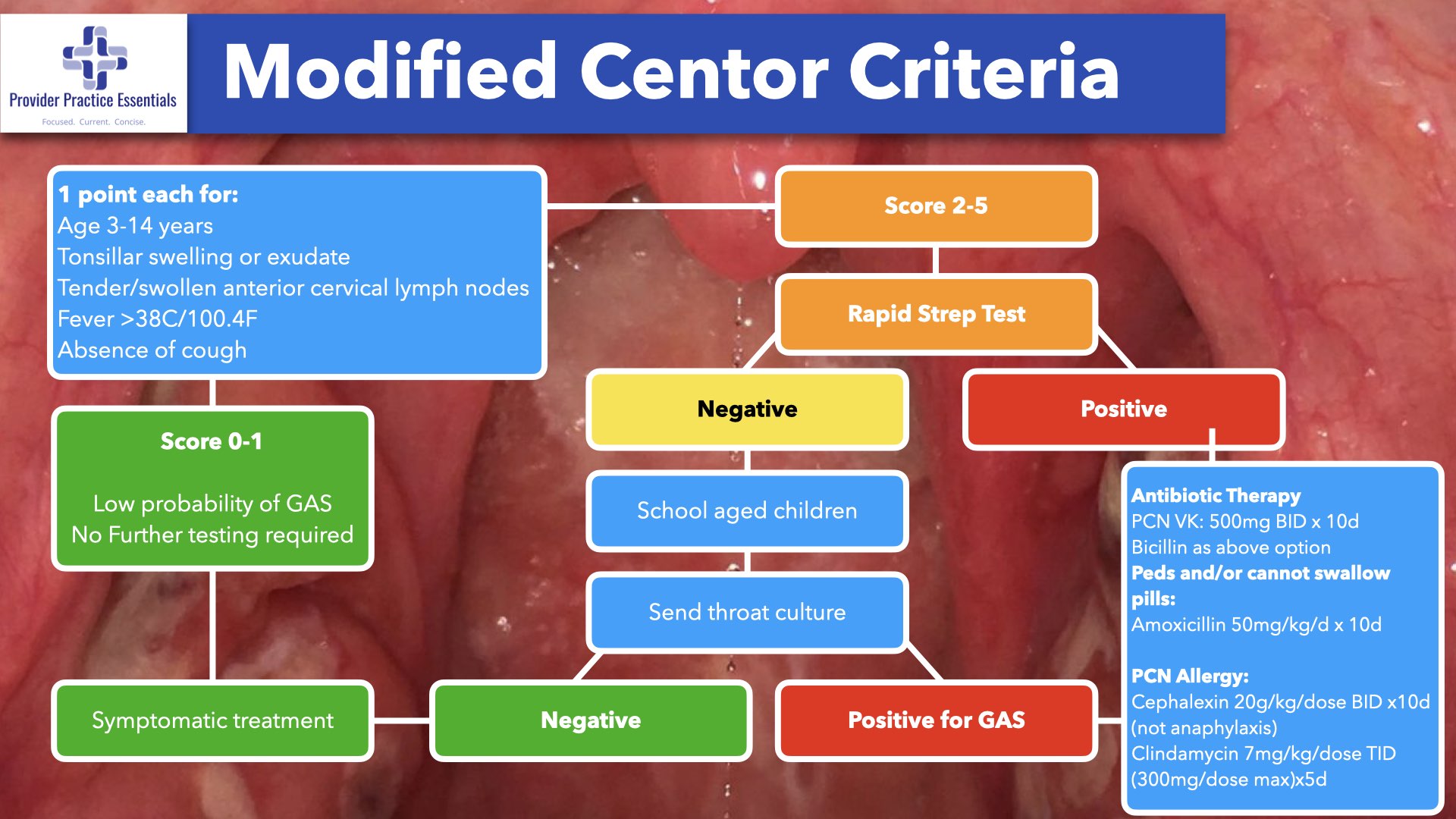
Throat Swab, oral Penicillin V, Azithromycin if allergic Can return to school 24 hours after antibiotic started |
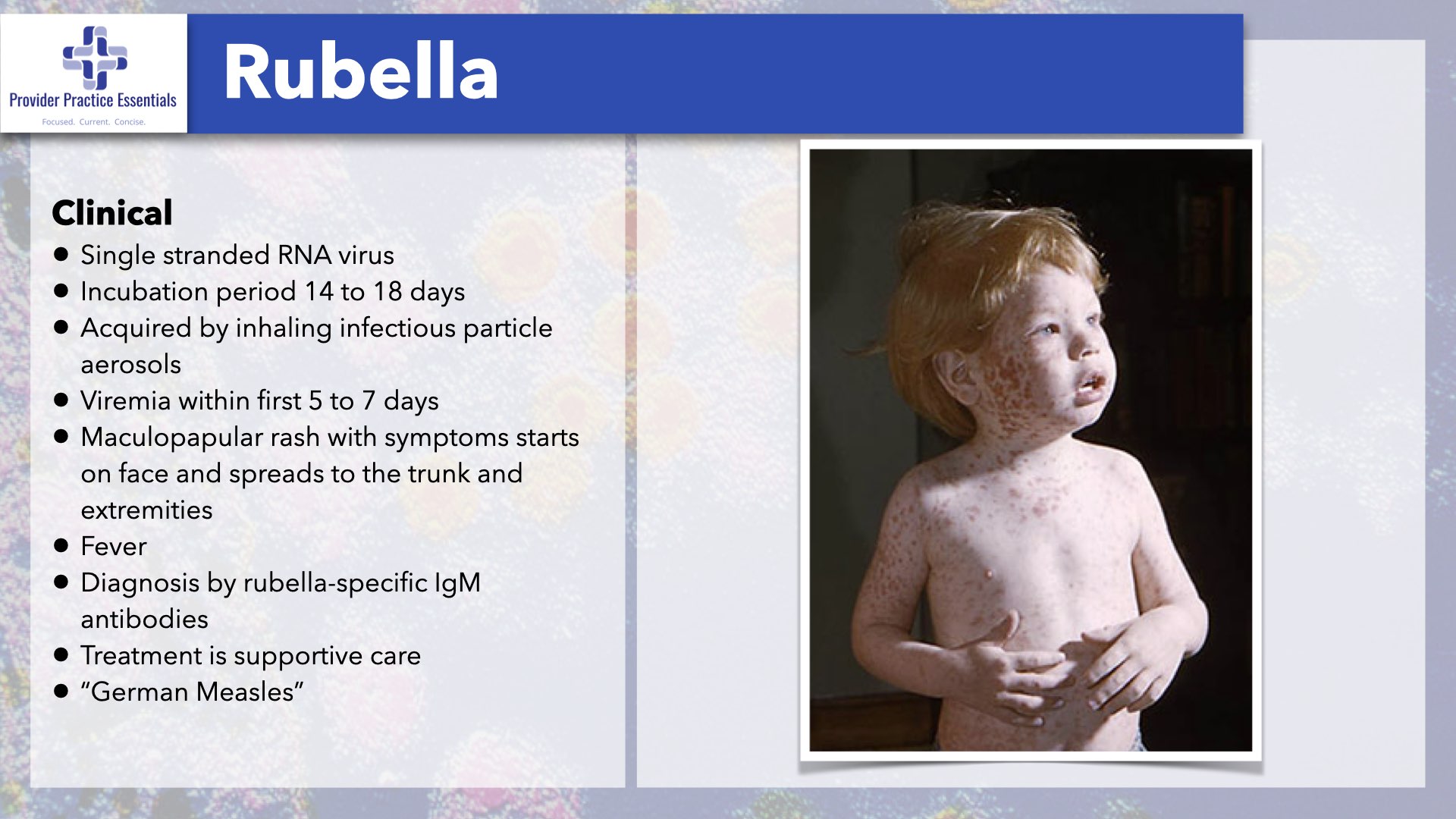
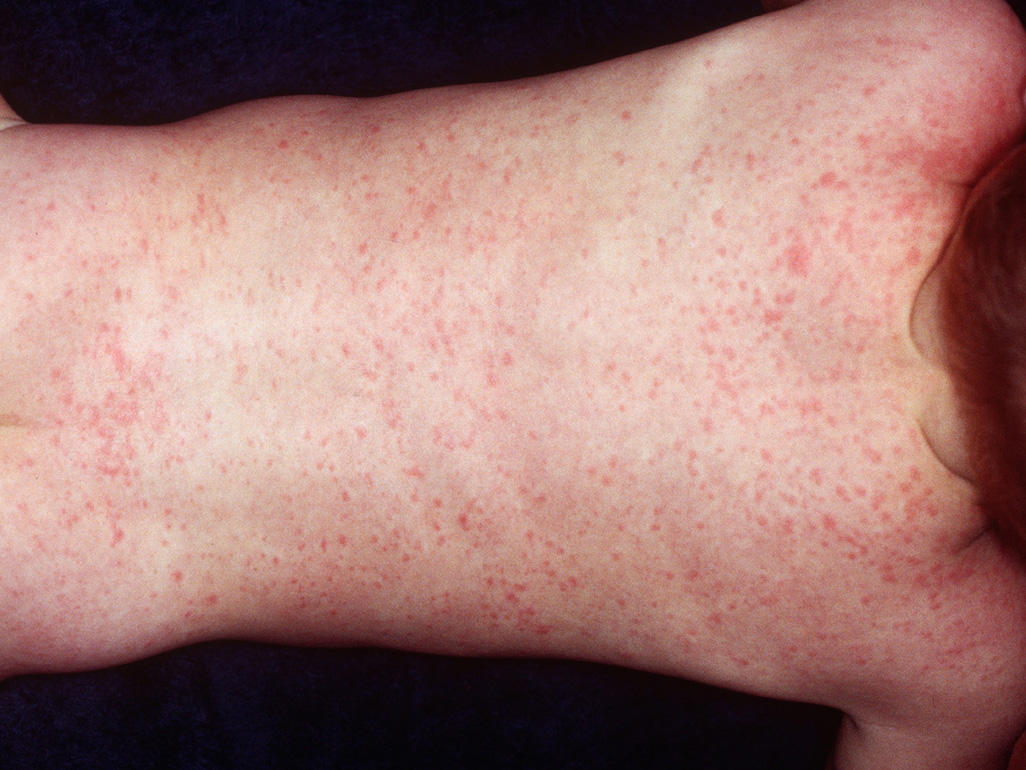
RubellaRubivirus
|
Late Winter and Early Spring |
Incubation: 2-3 weeks Communicability: Rash appears 1-5 days after symptoms |
Rose-pink, maculopapular 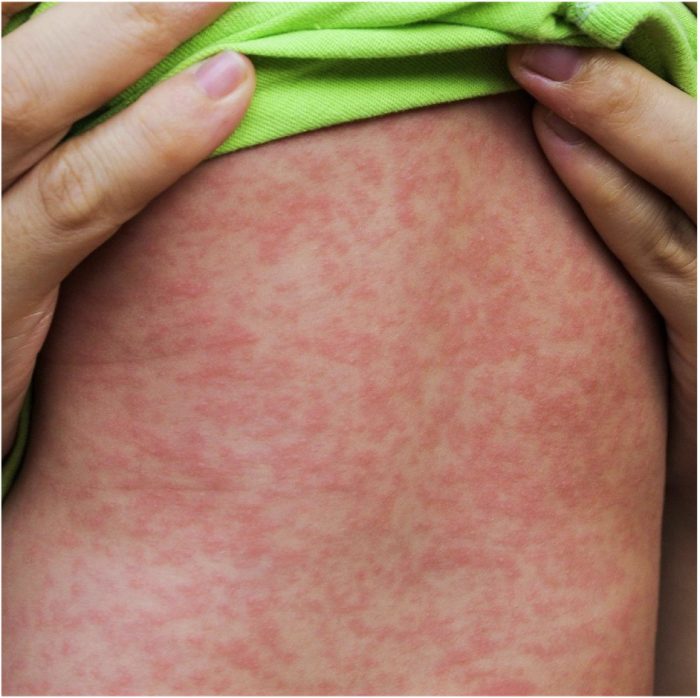
|
Spreads inferiorly | -Lymphadenopathy -Arthralgias -Forcheimer Spots |
Infected: Supportive care Prevention: MMR vaccine |
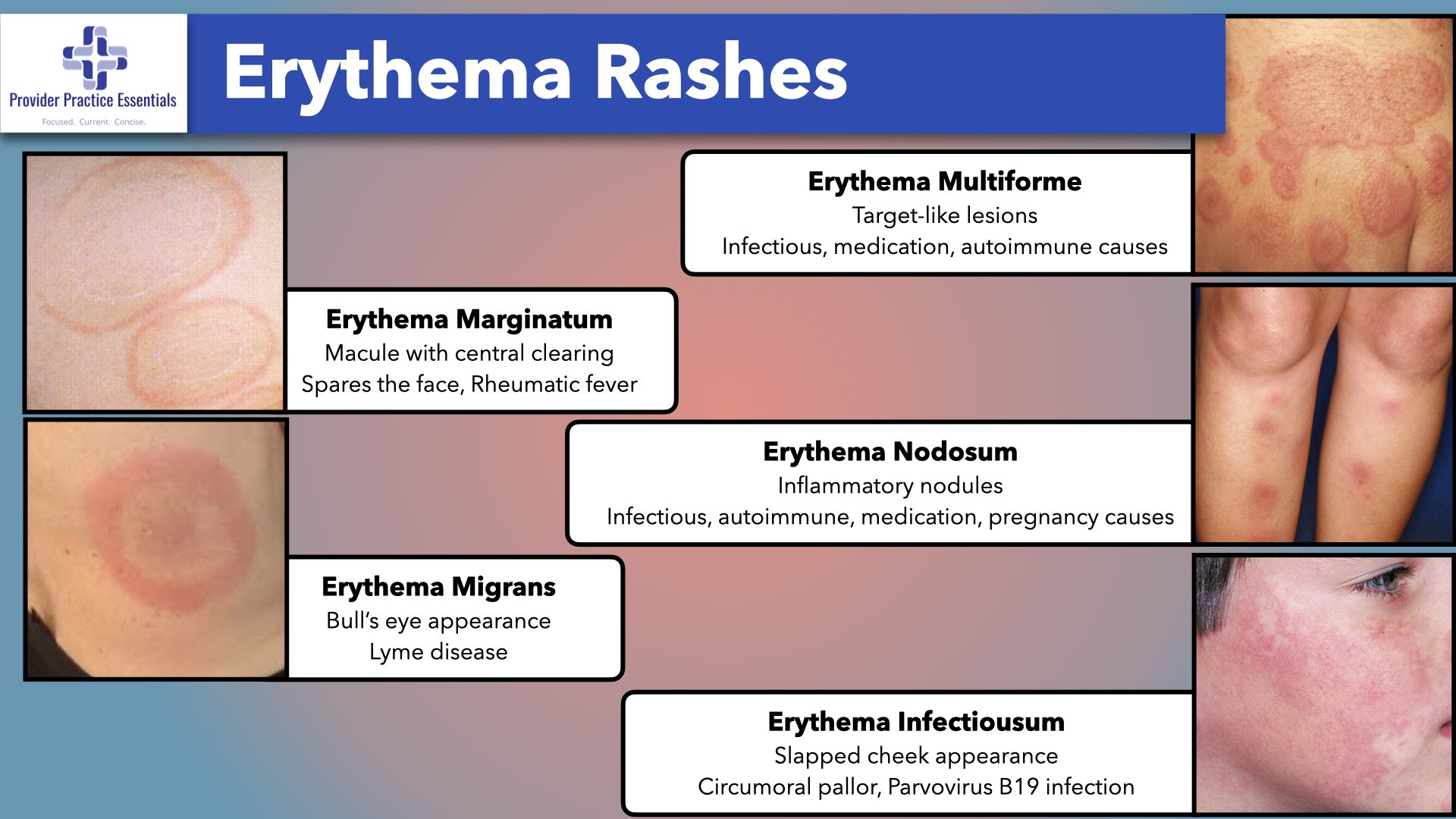
Erythema InfectiousumParvovirus B19
|
Winter and Spring |
“Slapped cheek” appearance, lacy reticular rash 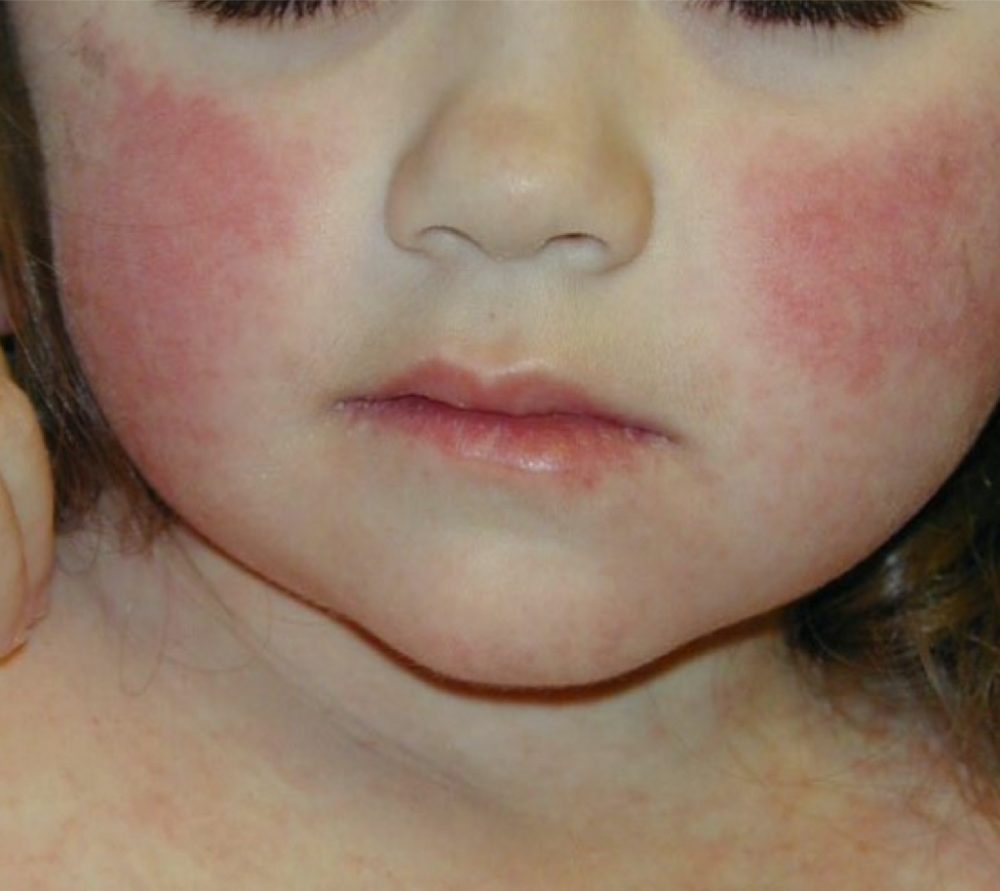
|
-Erythematous cheeks -Reticular Extremities |
-Rash waxes and wanes over weeks -Arthritis -Aplastic Crisis |
||
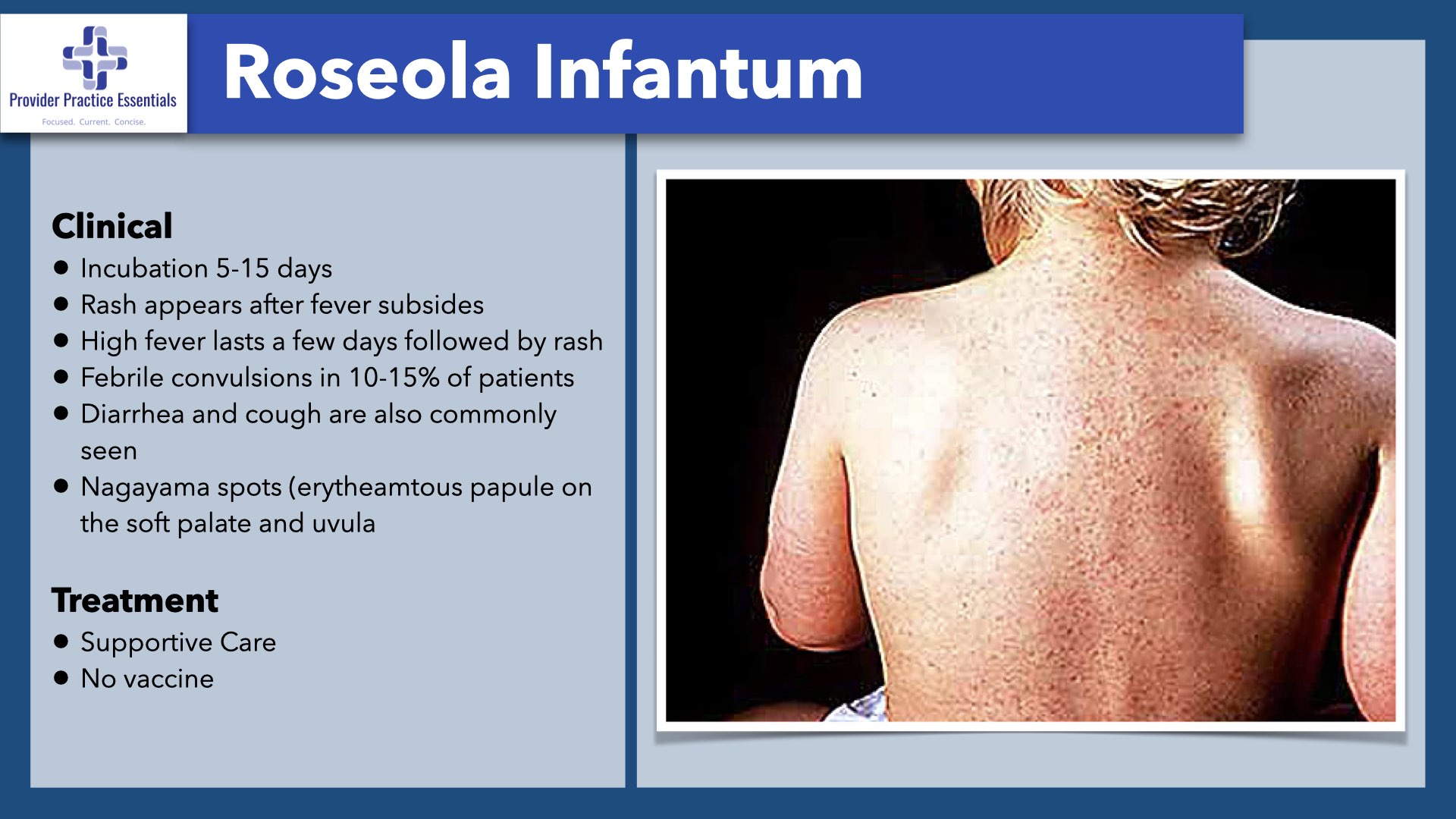
Roseolahuman herpesvirus 6 and 7
|
Spring |
Incubation: 5-15 days Communicability: Rash appears once fever subsides |
Rose-pink, maculopapular
|
Neck and trunk | -Lymphadenopathy -Febrile seizures -Aplastic Crisis |
Infected: Supportive care Prevention: No known vaccine |
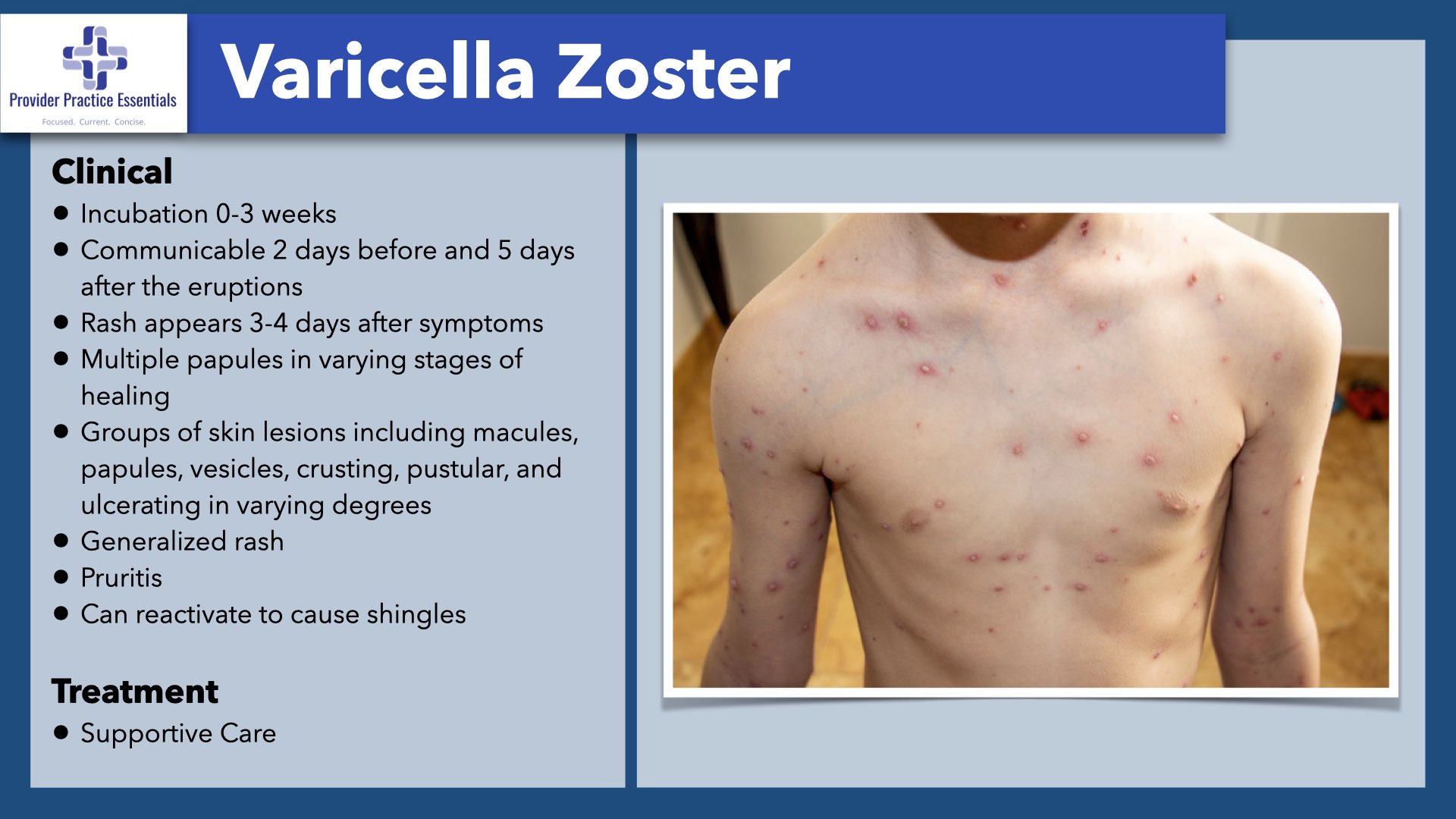
Varicellaherpes zoster virus
|
Late Winter and Early Spring |
Incubation: 0-3 weeks Communicability: Rash appears 3-4 days after symptoms |
Vesicles on an erythematous base, crusts, various stages of healing 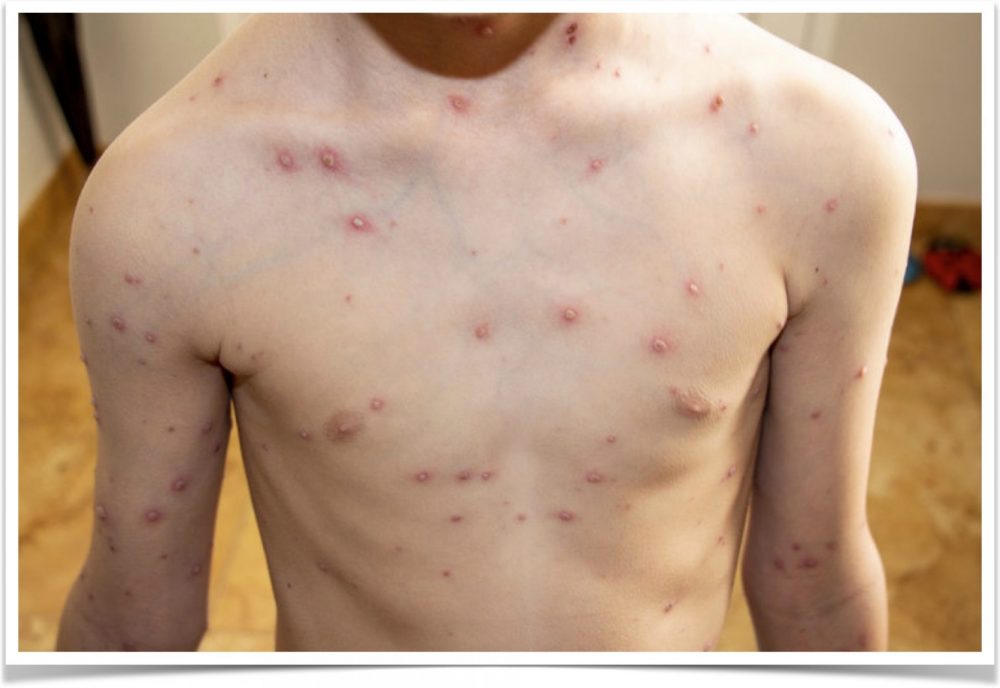
|
Begins on the face and trunk and spreads centripetally | -Pruritis -Varicella-Zoster |
Treatment: Supportive Care Prevention: Varicella vaccine |
Hand-foot-and-mouth diseaseCoxsackie A virus
|
Late Summer or early Fall | Elliptical vesicles on an erythematous base Oral vesicles Erosions |
Mouth, hands and feet | Vesicles on the hands and feet and in the mouth | ||
Herpes simplex
|
Variable | -Grouped vesicles on an erythematous base (e.g. anterior oral cavity – buccal mucosa, tongue, lips, around mouth) -Herpetic whitlow, painful fingers with vesicles -Genital herpes: HSV2, shaft of penis, vagina, vulva, anus -Keratitis |
Infected: Topical or Oral Acyclovir |