Fraud Blocker

Tibial Plateau Fractures

Rob Beatty, MD FACEP The tibial plateau is the upper part of the tibia (shinbone), which forms a joint with the femur (thighbone), also along with the patella to form the knee joint. Fractures to the tibial plateau are common injuries that can occur from high-impact accidents such as motor vehicle accidents, falls from a …

Read more

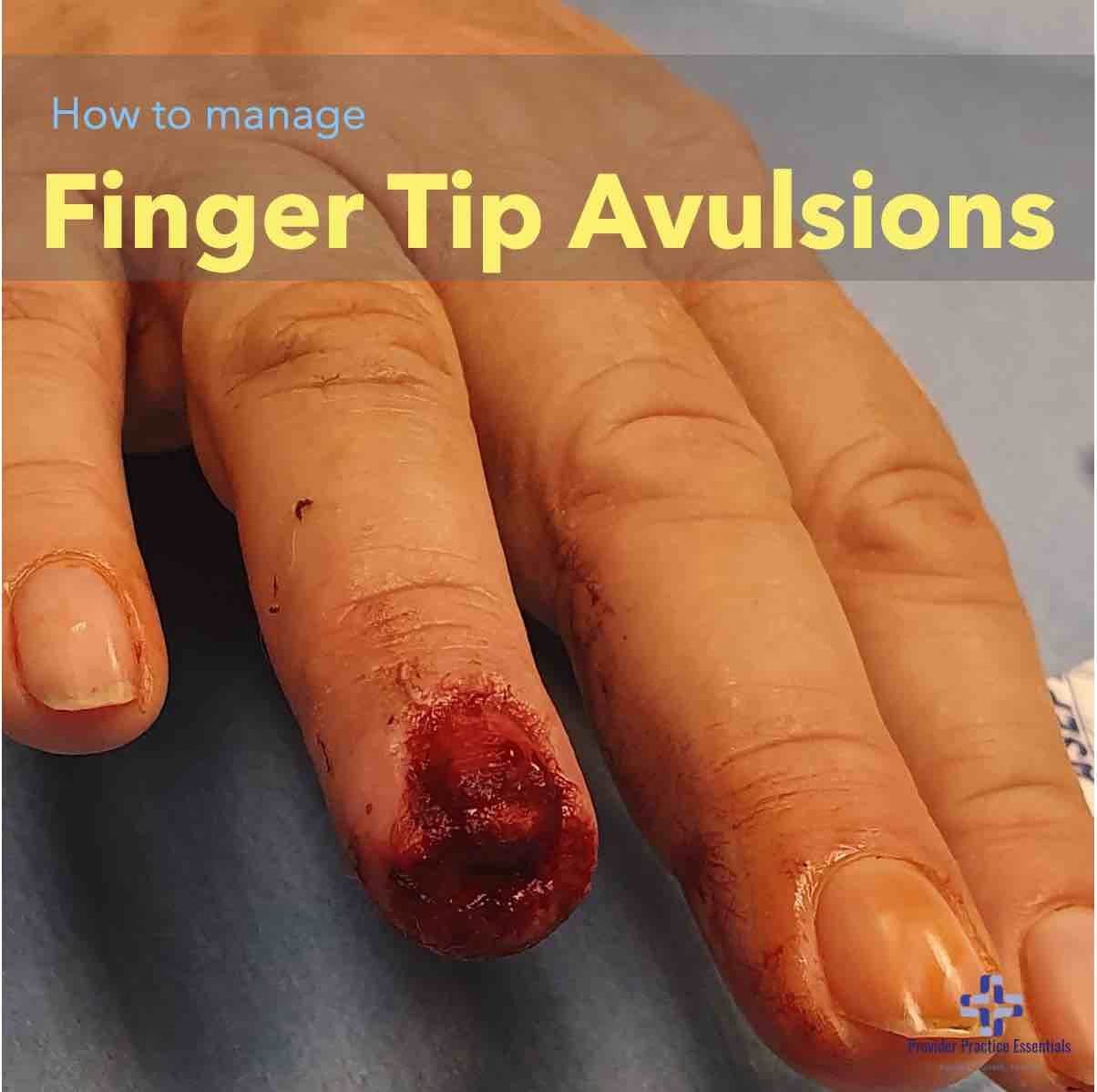
How to Manage Fingertip Avulsions

Lindee Abe, APRN Fingertip avulsions and lacerations are common injuries in urgent care centers and emergency departments everywhere. Avulsions can happen any time of the year, but are most commonly seen in the warmer months. Lacerations that don’t involve muscle or tendon damage are straightforward. They can be treated easily in these settings. Mixed in …

Read more

Comparative Analysis of Pneumonia Scoring Guidelines: Choosing the Best for Hospital Use

Rob Beatty, MD FACEP Introduction Pneumonia is a significant cause of morbidity and mortality worldwide, making accurate assessment and also management crucial for healthcare providers. Various scoring systems have been developed to aid in the assessment and also risk stratification of patients with pneumonia. This article aims to analyze and compare different pneumonia scoring guidelines …

Read more

Current Cholesterol and Hyperlipidemia Management

Brandon Geer, APRN Current cholesterol and hyperlipidemia management can have a significant effect on the body. If not properly managed or maintained, high cholesterol or hyperlipidemia can cause an increase of fat deposits in arteries, and can increase the risk of arterial blockages causing conditions such as strokes or cardiac ischemia (American Heart Association, 2020). …

Read more

Which Shoulder Reduction Techniques Work Best, And Which Should You Avoid?

Marsena Collins NP-C Shoulder dislocations are very common. In fact, they account for over 50 percent of all major joint dislocations. Further, the shoulder can dislocated in three difference ways: Reducing a dislocated shoulder requires an understanding of how the shoulder is dislocated. A successful reduction relies on choosing the correct technique. Fortunately, there are …

Read more

Muscle Pain and Rhabdomyolysis

Lindee Abe, ARNP We just did a post about DOMS, so let’s explore muscle breakdown a little bit further. Next up….let’s talk rhabdomyolysis. Most of us don’t see rhabdomyolysis. The military is one environment that comes to mind that sees increased numbers of rhabdomyolysis, specifically exertional rhabdomyolysis. We also read about the elderly being at …

Read more